Light & health
Natural light regulates circadian rhythms, mood, and well-being.

Research
The research behind Casa de Libertad: how trauma-informed interior design can support the protection and recovery of adolescent survivors of human trafficking in Costa Rica, from framework and theory to users, case studies, and site.
● 5 chapters
● Case studies & interviews
● San José, Costa Rica
Read in order, or jump to the chapter most useful to your work.

The context behind Casa de Libertad: human trafficking in Costa Rica, the need for an immediate-care shelter for adolescent girls, and why the physical environment matters to their recovery.
Conceptual rendering, Casa de Libertad
How environment shapes body and mind: the health effects of natural light, artificial lighting, and the psychology of color and emotion in interior spaces.
Emotion color wheel after Plutchik · image: Sovereignty, 2016

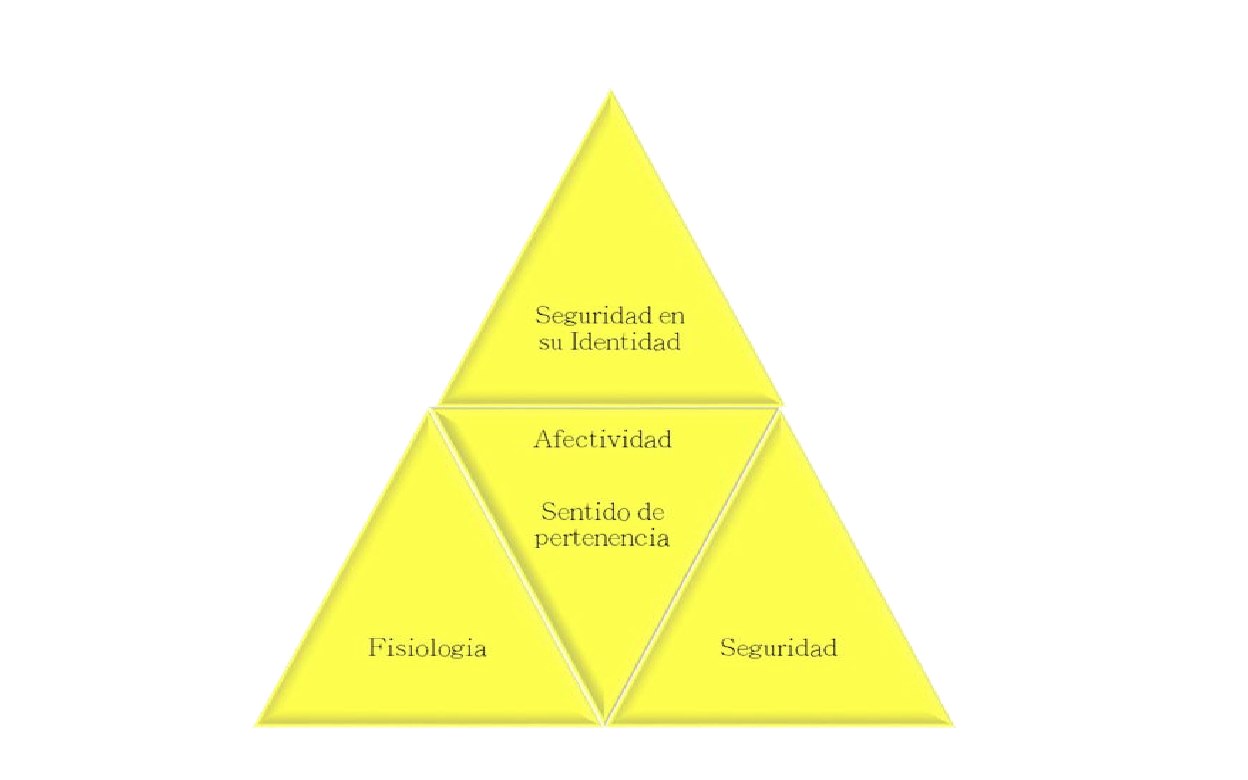
Who the space is for: adolescents, volunteers, and professionals, their needs in therapy, the client profile, the approval flowchart, and interviews with key stakeholders.
User needs in therapy · graphic by the author, 2015
Lessons from shelters and spaces for children and youth, including PANI homes and restoration homes, plus the network of institutions that support victims, and a SWOT analysis.
Location map of supporting institutions, San José


The site in context: the Greater Metropolitan Area of San José, its climate, sun and rainfall, nearby recreational areas, and the legislation that frames shelter design.
Climate analysis, San José · source: Tierra Verde, 2016
Monge Sandí, M. K. (2016). Trauma-informed design for victims of human trafficking. Third-party images are credited beneath each chapter.
COLLABORATE
Researchers, universities, and organizations are welcome to reach out about collaboration, training, or applying these findings.
© 2025 | Karina Monge Designs. All Rights Reserved.
Designed with 🤍 by Priyash Kadu
WhatsApp us