
Trauma-informed design practitioner & consultant
I partner with shelters, care providers, nonprofits, and design teams to create trauma-informed environments, care models, and training that advance safety, dignity, and belonging.
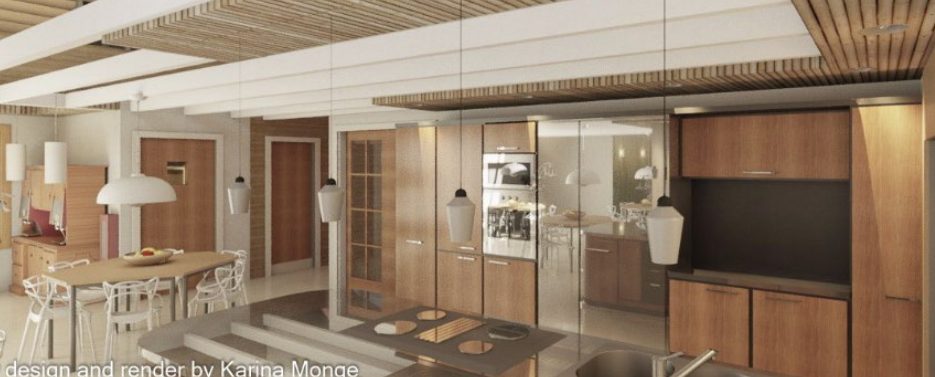
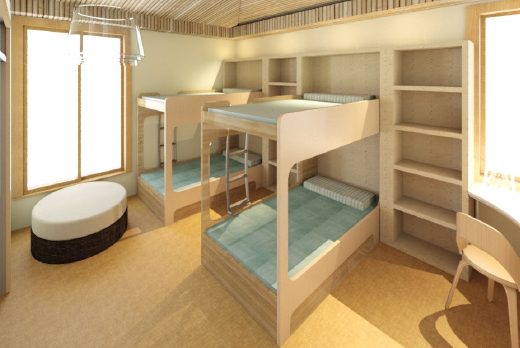
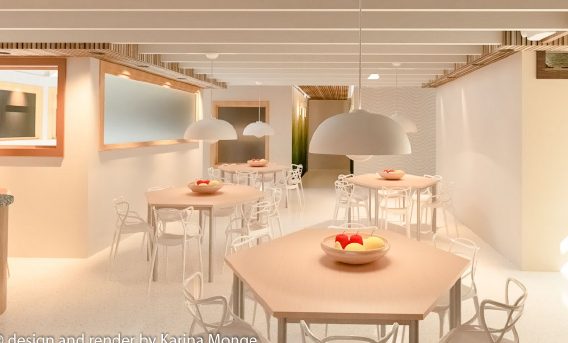
Freedom House, 2016
Conceptual design & renders · Karina Monge
HUMANITARIAN ADVOCACY
TRAUMA-INFORMED DESIGN
RESEARCH & EDUCATION
SOCIAL IMPACT

I RESEARCH AND TEACH
I DESIGN SPACES
I AM A CONSULTANT TO ORGANIZATIONS
02 / Our Mission
Years front-line intervention
Countries of practice
Age range of adolescents served
We connect human-centered research, humanitarian advocacy, and design thinking to address the needs of vulnerable communities.
Kari Monge Initiatives is a multidisciplinary platform exploring the intersection of human dignity, social responsibility, research, and the built environment.
Shaped by a journey as both social worker and interior designer—from front-line work with survivors of human trafficking to policy, research, legislation, and training—our mission is to connect ideas with action.
We believe thoughtful solutions begin by listening, understanding lived experience, and recognizing the importance of safety, dignity, belonging, and opportunity.
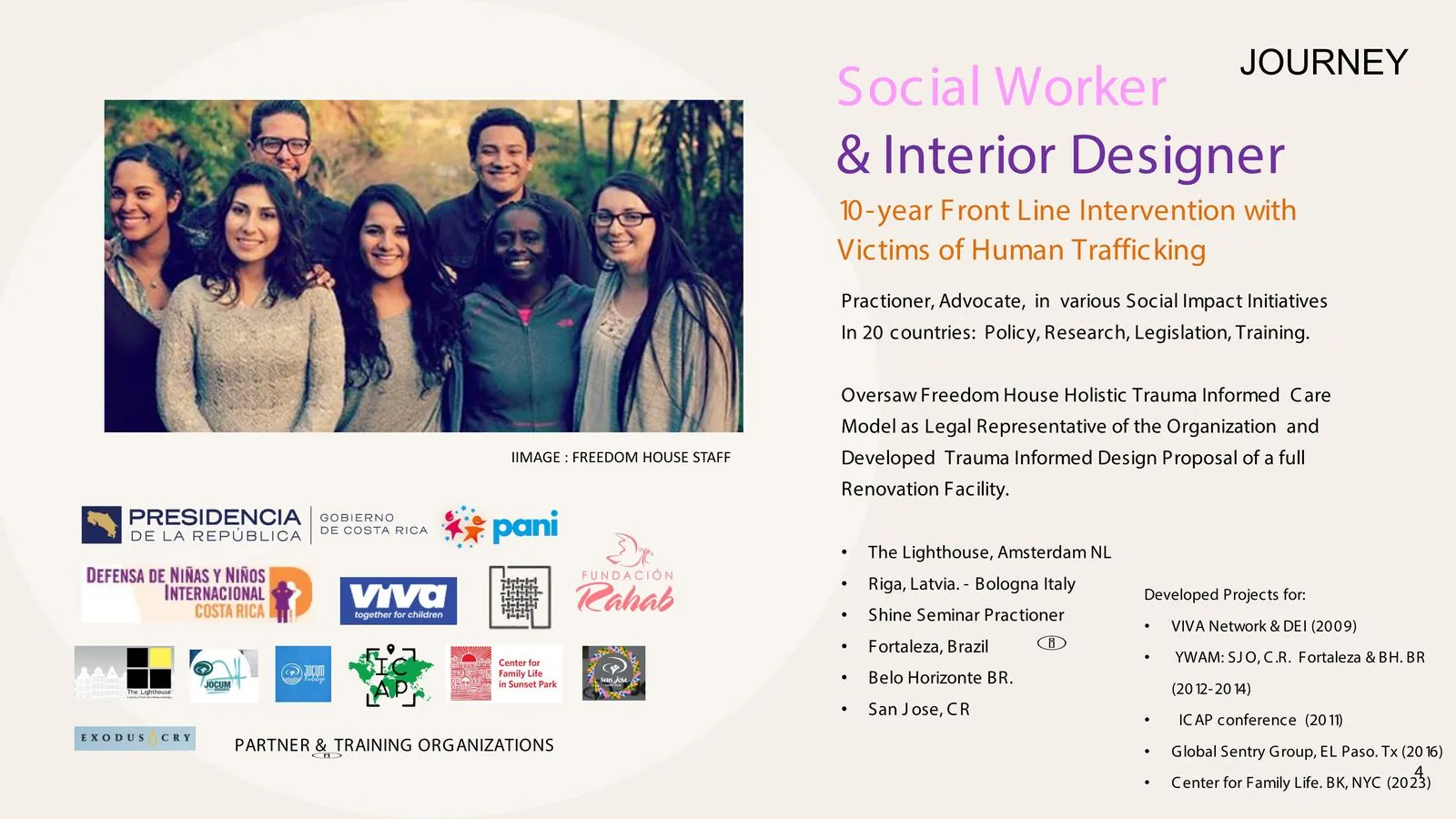
Humanitarian Journey — Social Worker & Interior Designer
Consulting services
Front-line experience, design training, and research, applied to your spaces, programs, and teams. Every engagement starts with listening to the people you serve.
A walkthrough and review of your existing facility against the principles of safety, choice, trust, empowerment, and cultural sensitivity, with prioritized recommendations.
Shelters · clinics · schools
Programming, zoning, layouts, color palettes, materials, and lighting for new builds and renovations, grounded in evidence-based design.
New builds · renovations
Holistic, trauma-informed care models that align daily routines, staff roles, and spaces, drawing on experience developing and overseeing Freedom House’s model.
Safe houses · NGOs
Practical sessions for staff, leadership, designers, and students on trauma-informed principles and environments of care.
Teams · universities · conferences
From budgets, quotes, and proposals through specifications, procurement, construction administration, and close-out, delivered on schedule.
Owners · contractors
Evidence reviews, design guidelines, and advisory support for policy, grant proposals, and program evaluation.
Funders · agencies · boards
An initial conversation about your goals, users, and constraints.
Site visit or remote review, plus stakeholder input.
A clear, prioritized plan matched to your budget.
Design, training, and project support as you build.
Check-ins to measure what’s working and refine.
Engagements available in English and Spanish, on-site or remote.
03 / Why Trauma-Informed Design Matters
Trauma-informed design translates the principles of trauma-informed care into the built environment, so that the places people encounter support—rather than undermine—recovery.
Physical and emotional safety: defensible environments that reduce triggers and stressors.
Adjustable lighting, furniture, and privacy that return a sense of control.
Clear sightlines and predictable layouts that make spaces easy to read.
Environments that invite participation, learning, and personal growth.
Spaces that respect identity, belonging, and the people they serve.
Core principles after Roche, Cowart & Harte (2024), Trauma-Informed Design Society.
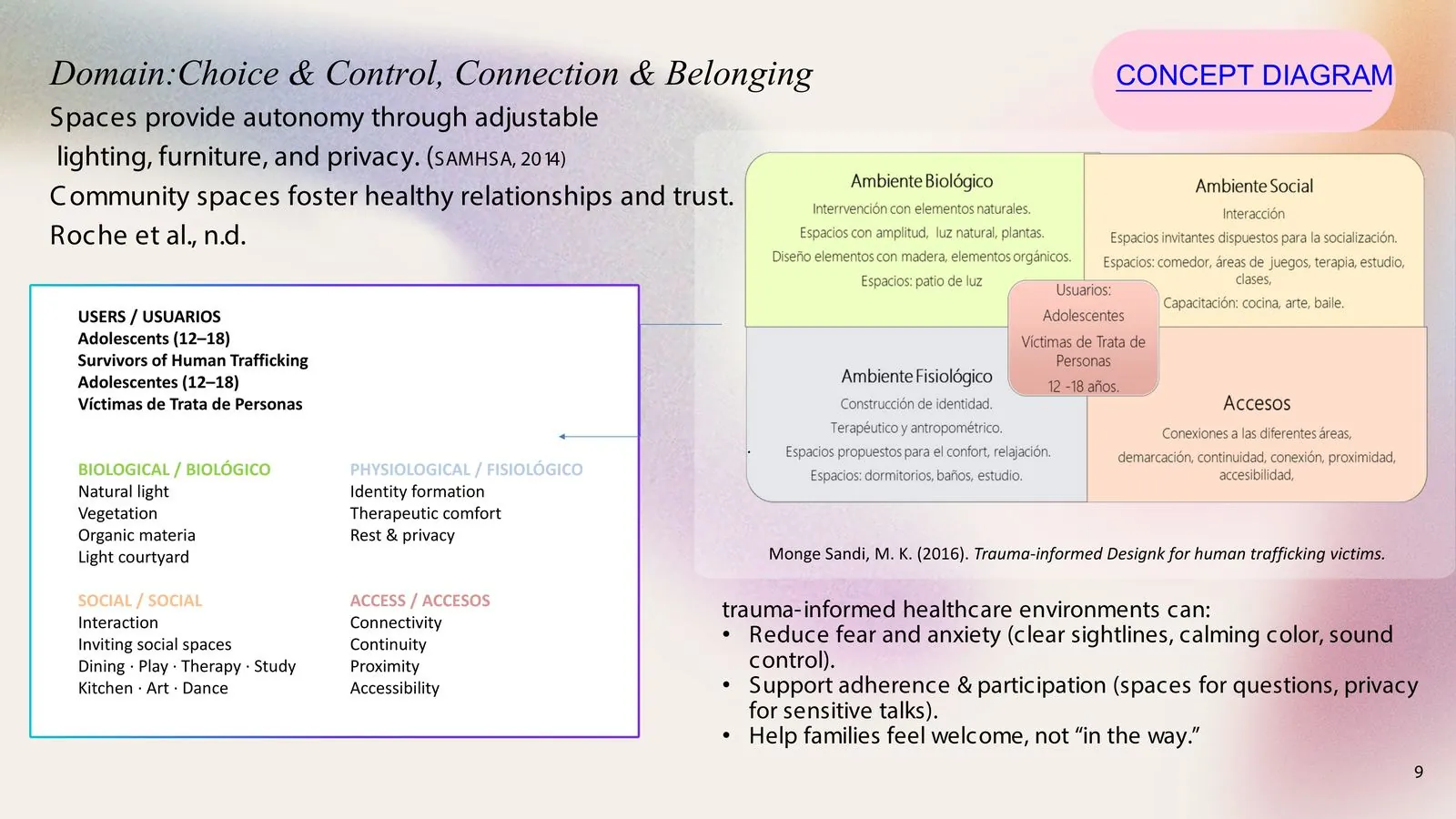
Concept diagram
An original concept framework organizing a shelter for adolescent survivors (ages 12–18) around four environments.
Monge Sandí, M. K. (2016). Trauma-informed design for human trafficking victims.
04 / Research & Education
We translate evidence, lived experience, and interdisciplinary perspectives into practical design strategies—positioning space as an active participant in care.
DOMAIN 01
Defensible environments that reduce triggers and stressors.
DOMAIN 02
Choice, privacy gradients, territoriality, and small “acts of control.”
DOMAIN 03
Nature connection, sensory variety, and “home-like” positive cues.
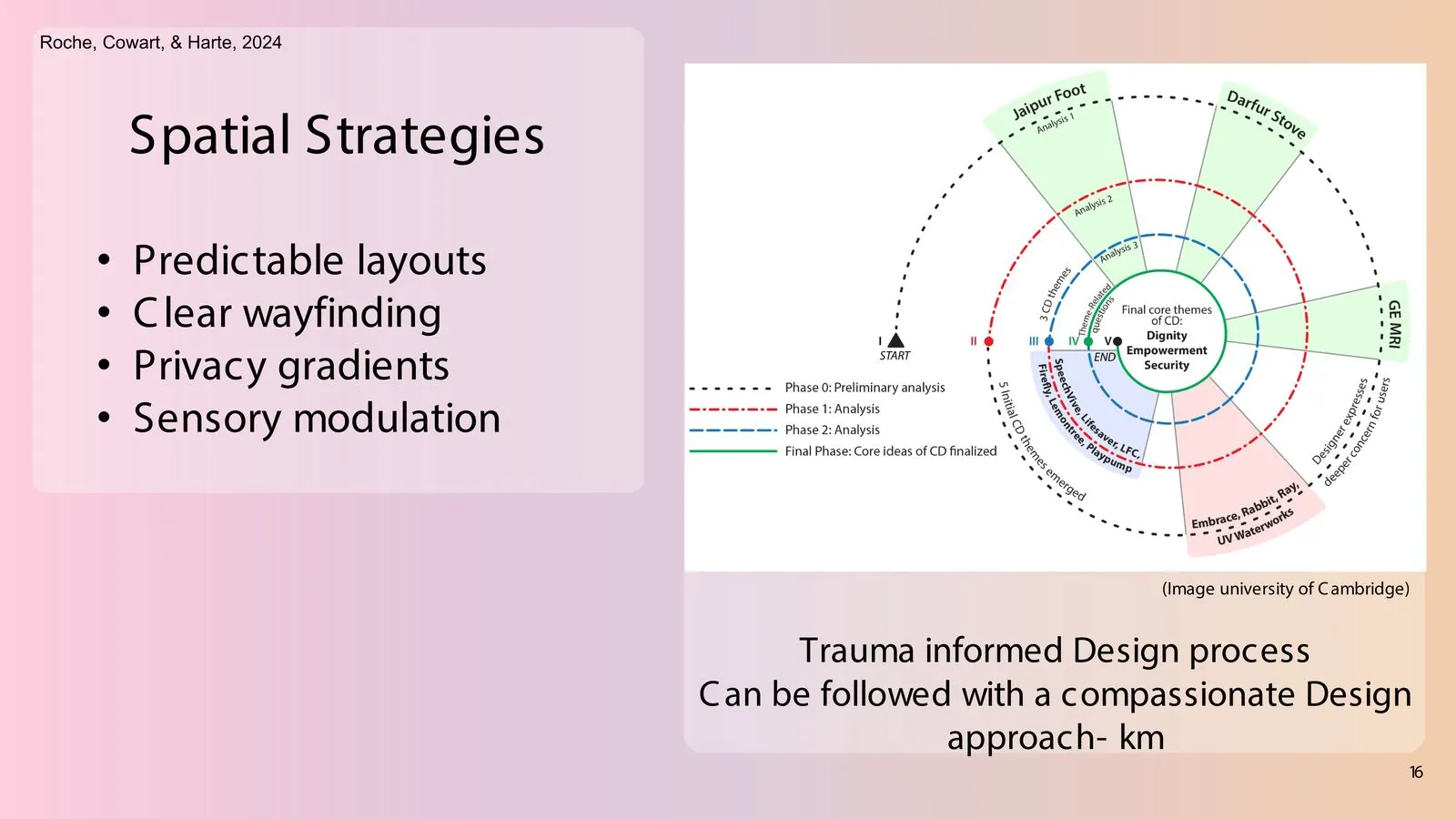
Design approach
Predictable layouts, clear wayfinding, privacy gradients, and sensory modulation inform a more considered design process.
Includes third-party sourced material — confirm permissions before publication.
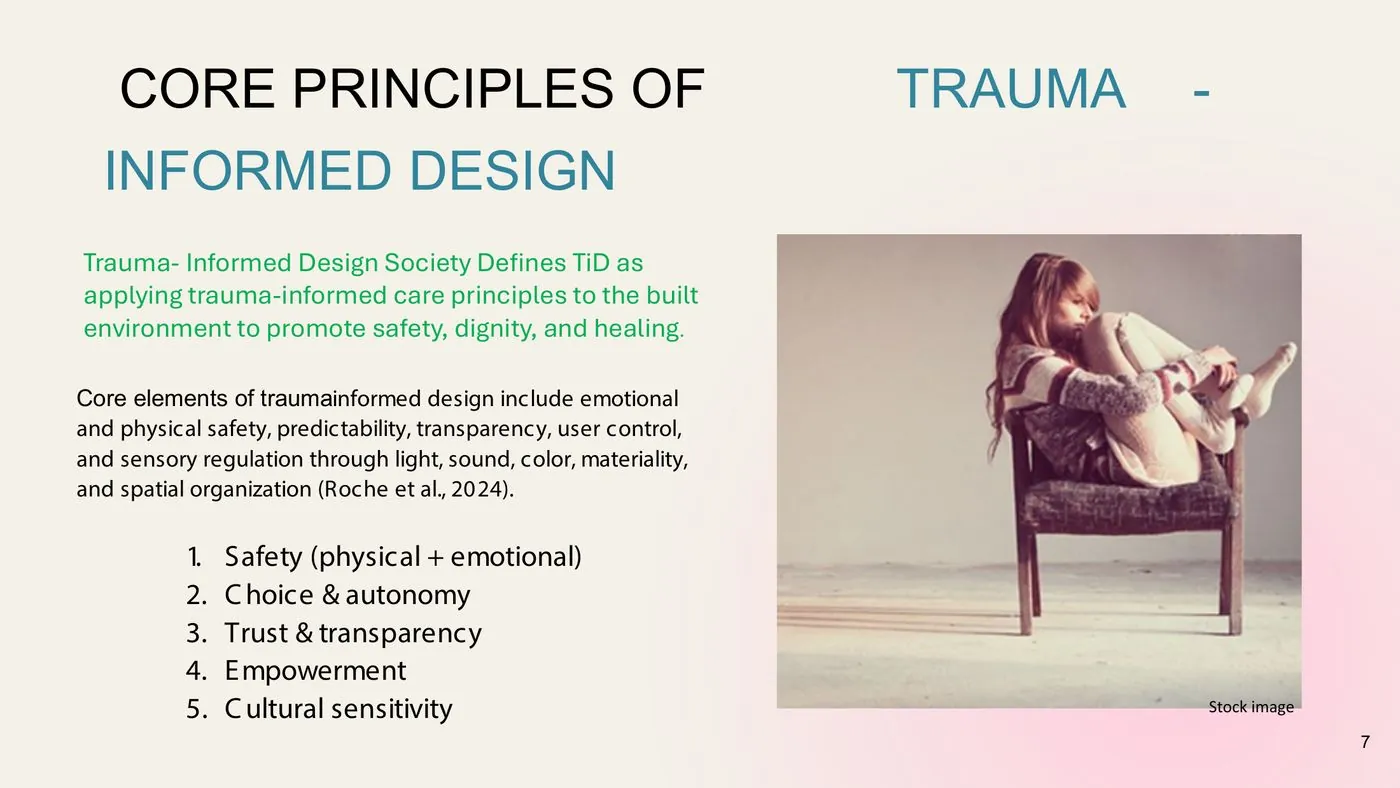
Framework
Safety, predictability, transparency, sensory control, and cultural sensitivity—applied through light, sound, color, materials, and spatial organization.
Roche, Cowart & Harte (2024). Stock image in source slide.
Ensuring they feel that they belong and are heard is the next step. Research-informed principles shape environments that are safe, dignified, child-focused, therapeutic, and a true sense of home.
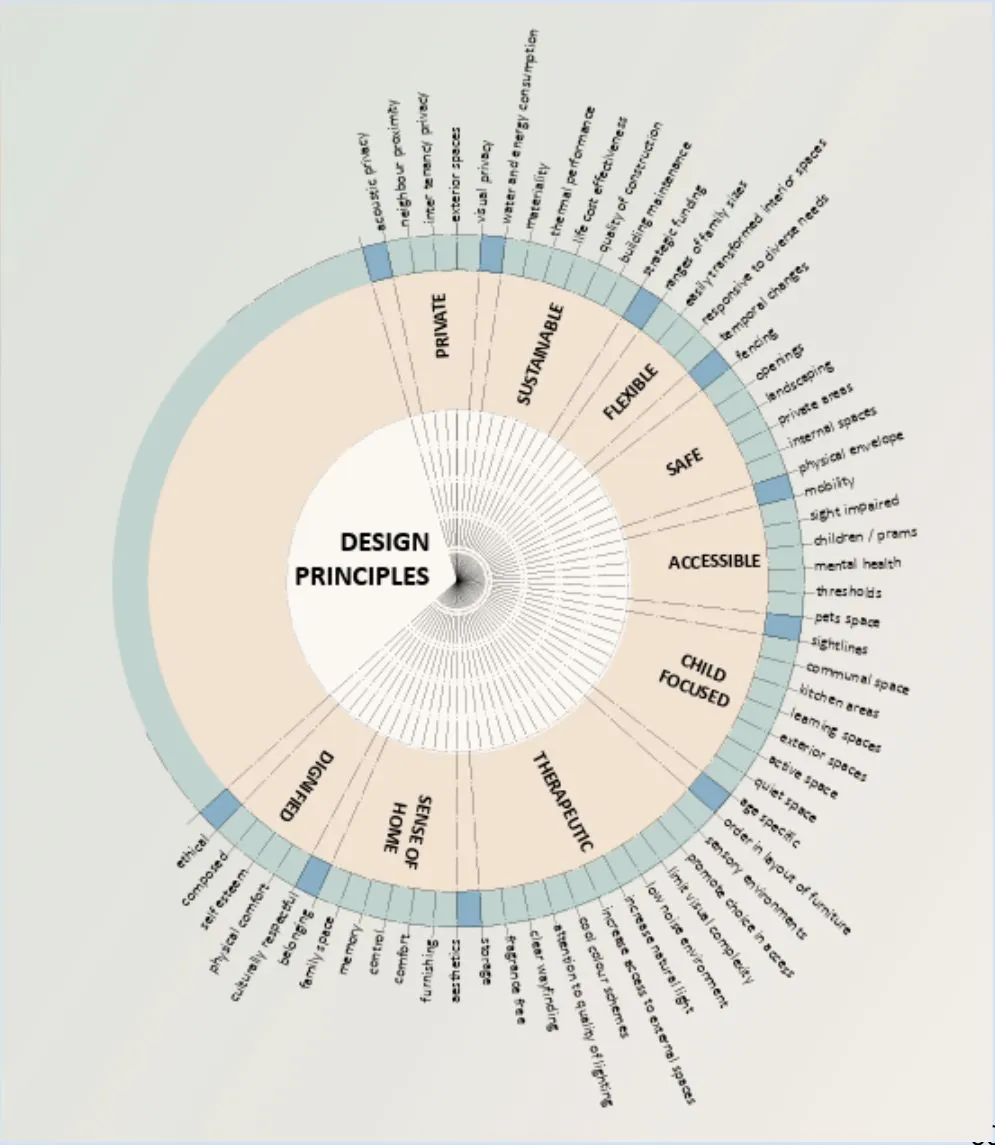
Third-party reference: Design Guide — Accommodation (AU).
Next
Application · Conceptual study
Monge Sandí, M. K. (2016)
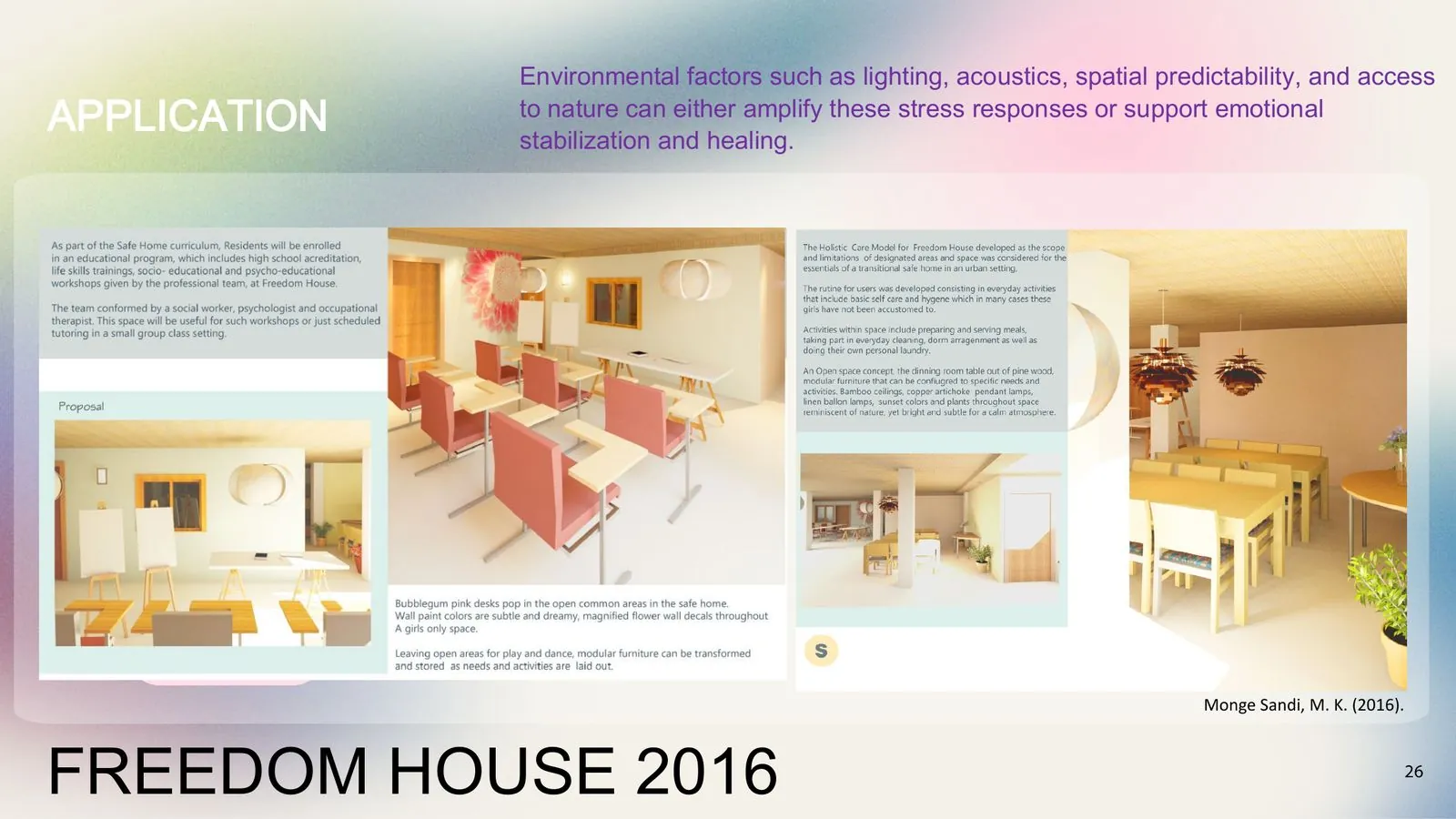
A specialized shelter design exploring how the built environment can respond to the protection, recovery, and developmental needs of adolescents affected by human trafficking.
The project considered physical safety, privacy, natural light, spatial organization, color, sensory comfort, and opportunities for social connection—moving beyond institutional shelter models toward a welcoming, developmentally appropriate experience.
Environmental factors such as lighting, acoustics, spatial predictability, and access to nature can either amplify stress responses or support emotional stabilization and healing.
Costa Rica · Human-Centered Design & Social Impact · Conceptual Academic Study
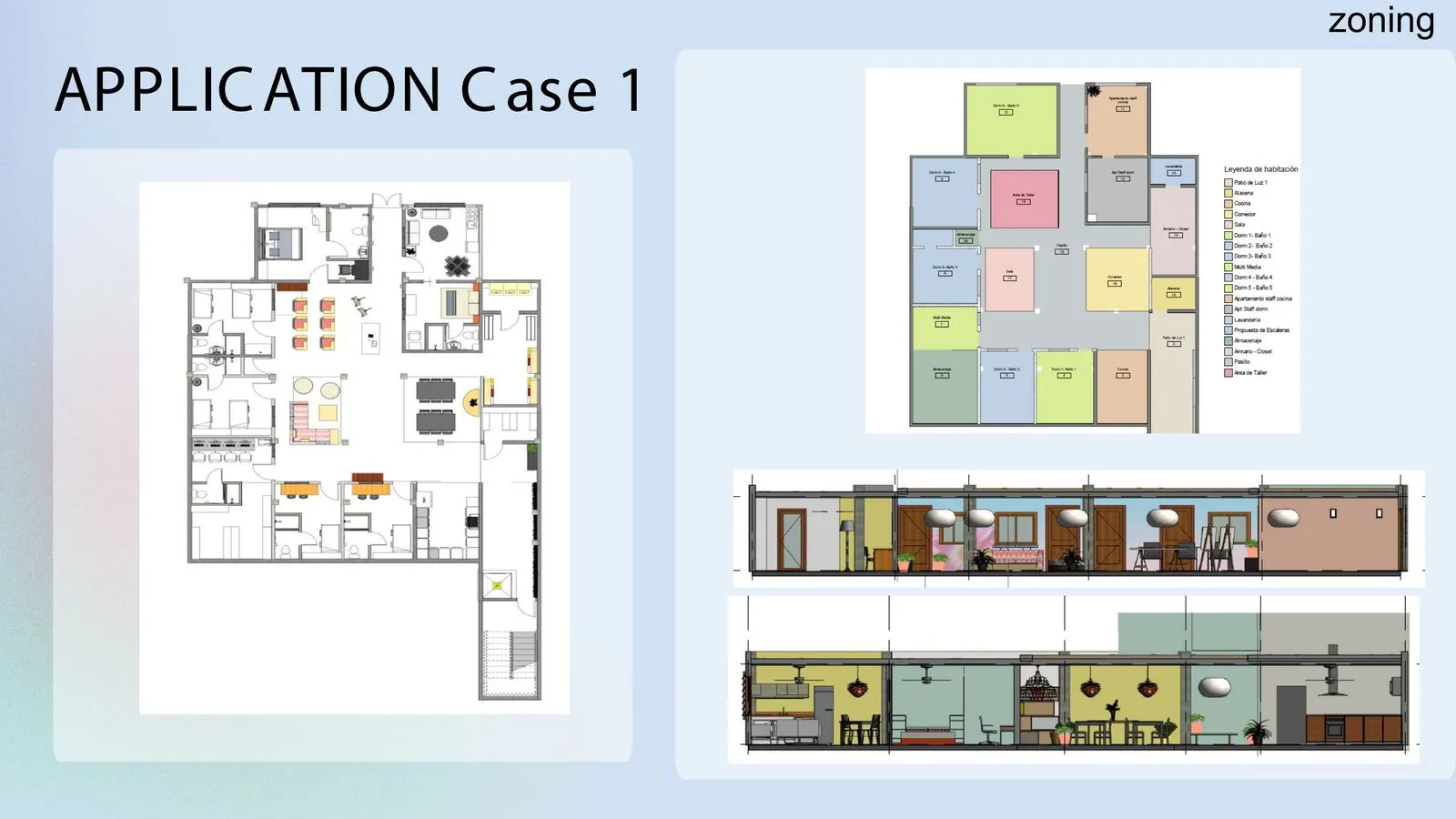
Spatial planning and program zoning study.
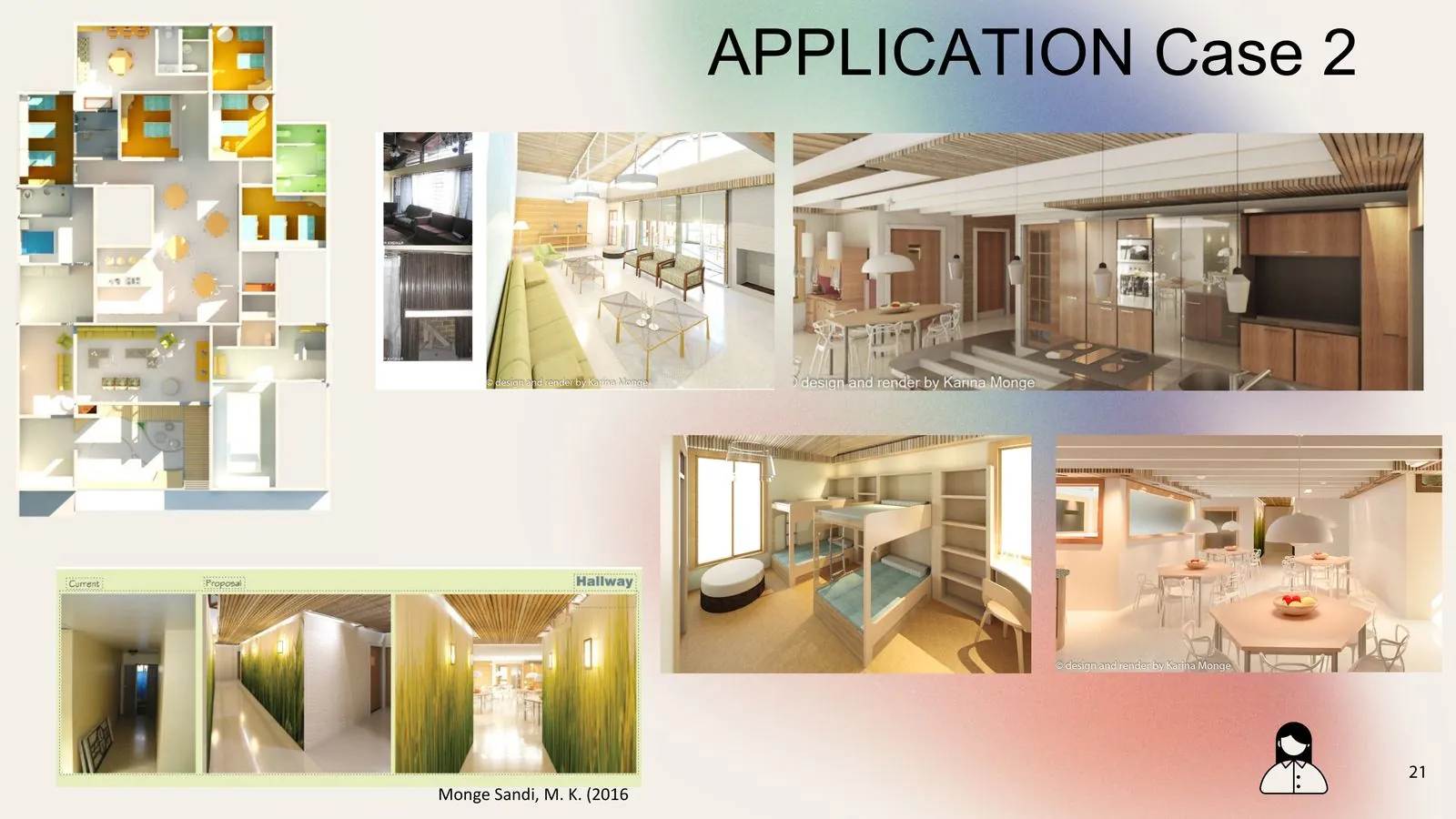
Conceptual interior renderings and hallway proposal.
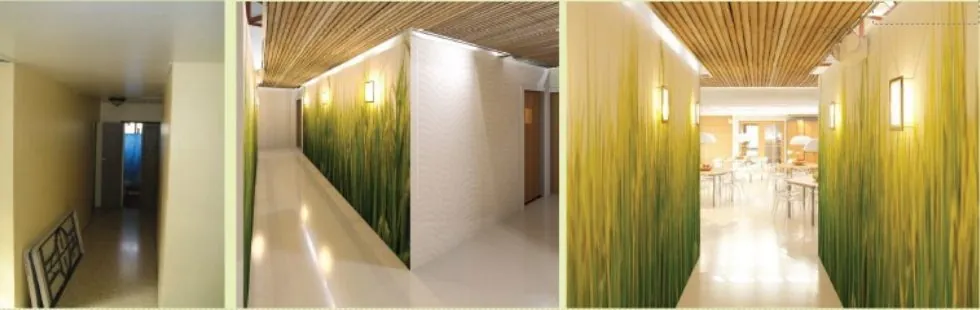
Biophilic cues and warm light in circulation.
NEXT
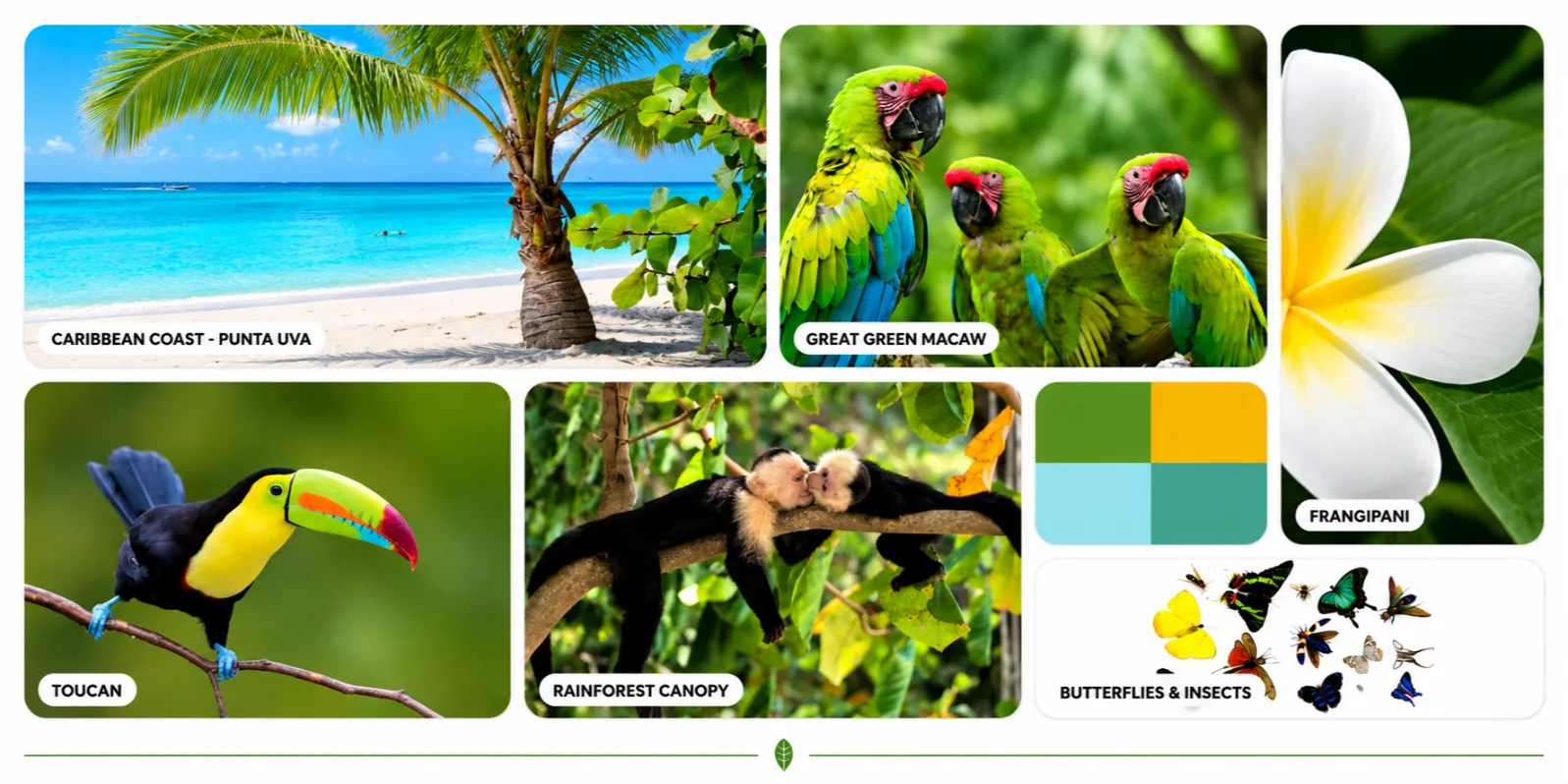
The Casa de Libertad interiors took their palette from Costa Rican nature: the Caribbean coast at Punta Uva, frangipani blossoms, great green macaws, toucans, and butterflies. Warm and cool tones alternate so every bedroom feels like its own landscape, calm, familiar, and alive.
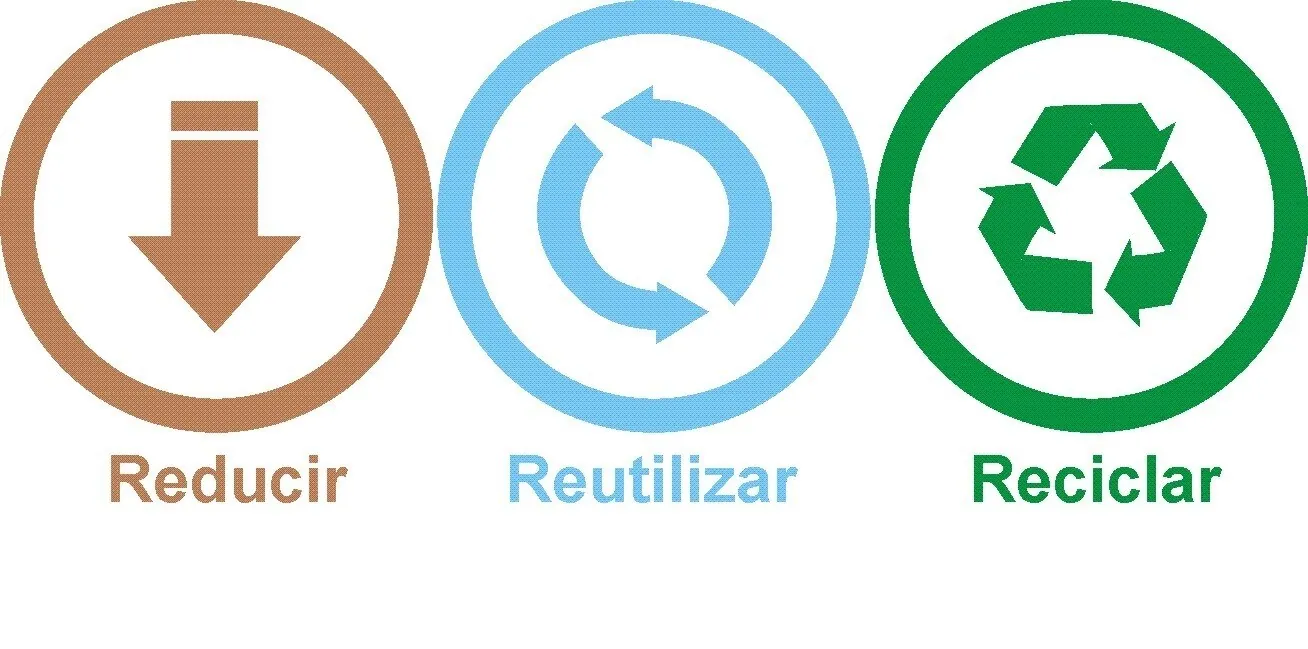
Specify sustainable materials and plan to reduce, reuse, recycle, and draw on renewable sources, from design planning through construction to the recommended materials.
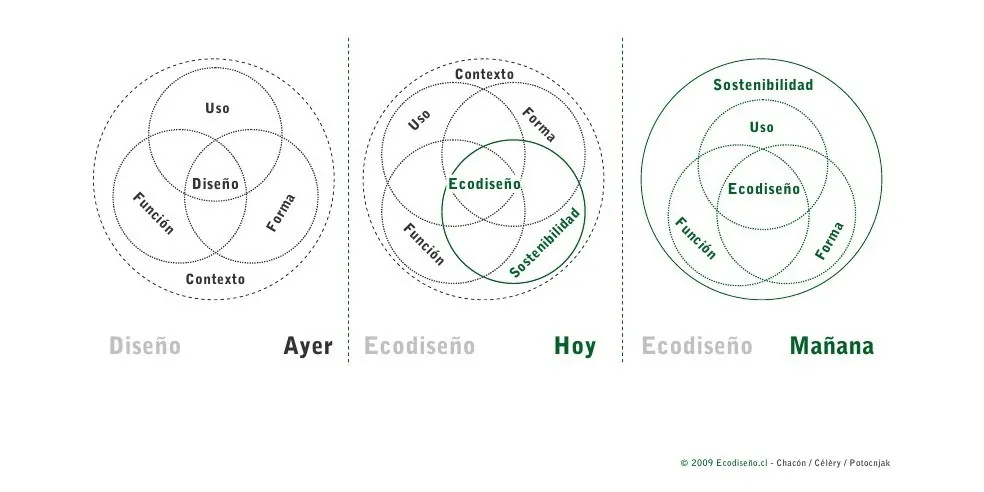
© 2009 Ecodiseño.cl, Chacón / Céliry / Potocnjak (third-party diagram)
A second layer of inspiration brings bolder notes for accents, art, and textiles: deep indigo walls with a painted teal dresser, hibiscus coral and orchid, pear green, aqua watercolor, and tropical sunsets. Use it sparingly, in pillows, murals, and art, over the soft warm and cool bases.
Paint finishes specified from the Pinturas Lanco range. Swatches are sampled from the concept imagery.
Concept inspiration photography: third-party, confirm rights before publication.
07 / Process
Site, climate, and user analysis with trauma specialists.
08 / Our Approach
Why trust this work
Partner names are listed from the practitioner’s presentation; confirm each before publishing.
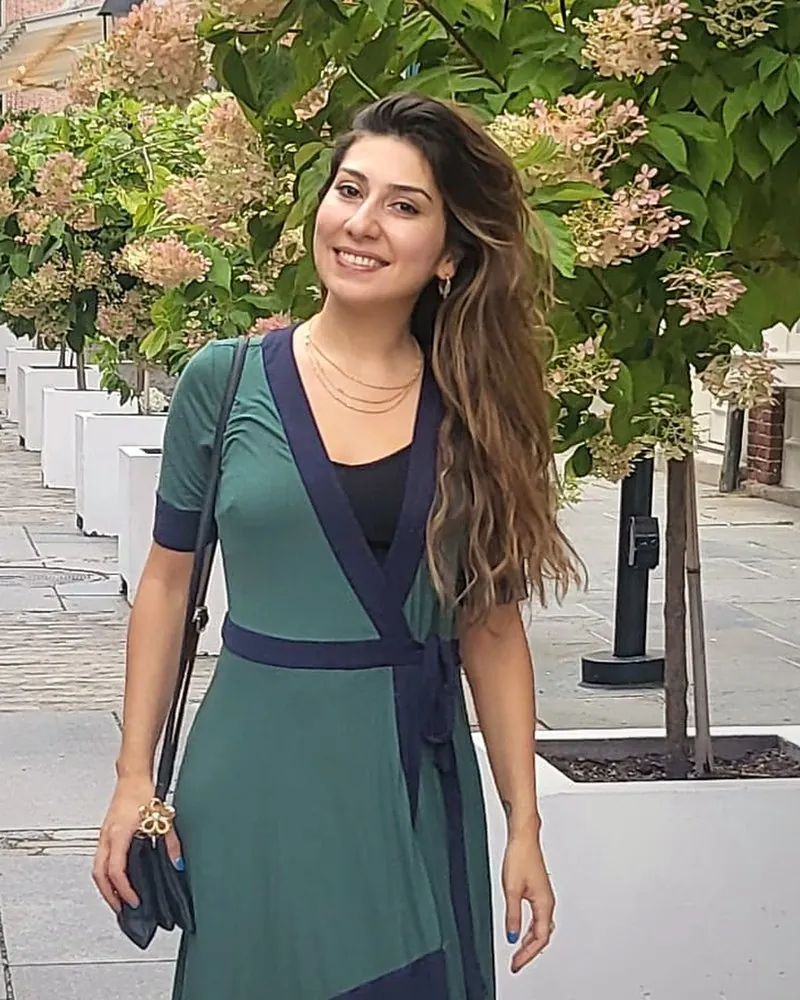
09 / Meet the Practitioner
Trauma-Informed Design Practitioner & Consultant
Social Worker & Interior Designer · MPS Healthcare Interior Design
I believe meaningful change begins with initiative—the willingness to recognize a need, envision a solution, and take action.
My journey brings together more than ten years of front-line intervention with victims of human trafficking, practice across social impact initiatives in 20 countries, and design research into how environments influence dignity, safety, well-being, and belonging.
As legal representative of Freedom House, I developed and oversaw its holistic trauma-informed care model and created a trauma-informed design proposal for the full renovation of the facility.
10 / Humanitarian Advocacy & Collaboration
The challenges facing vulnerable individuals and communities require compassion, knowledge, collaboration, and the willingness to act—grounded in prevention, protection, and social change.
We welcome researchers, nonprofit organizations, advocates, educators, designers, and community leaders who share a commitment to creating safer, more compassionate environments.
© 2025 | Karina Monge Designs. All Rights Reserved.
Designed with 🤍 by Priyash Kadu
WhatsApp us